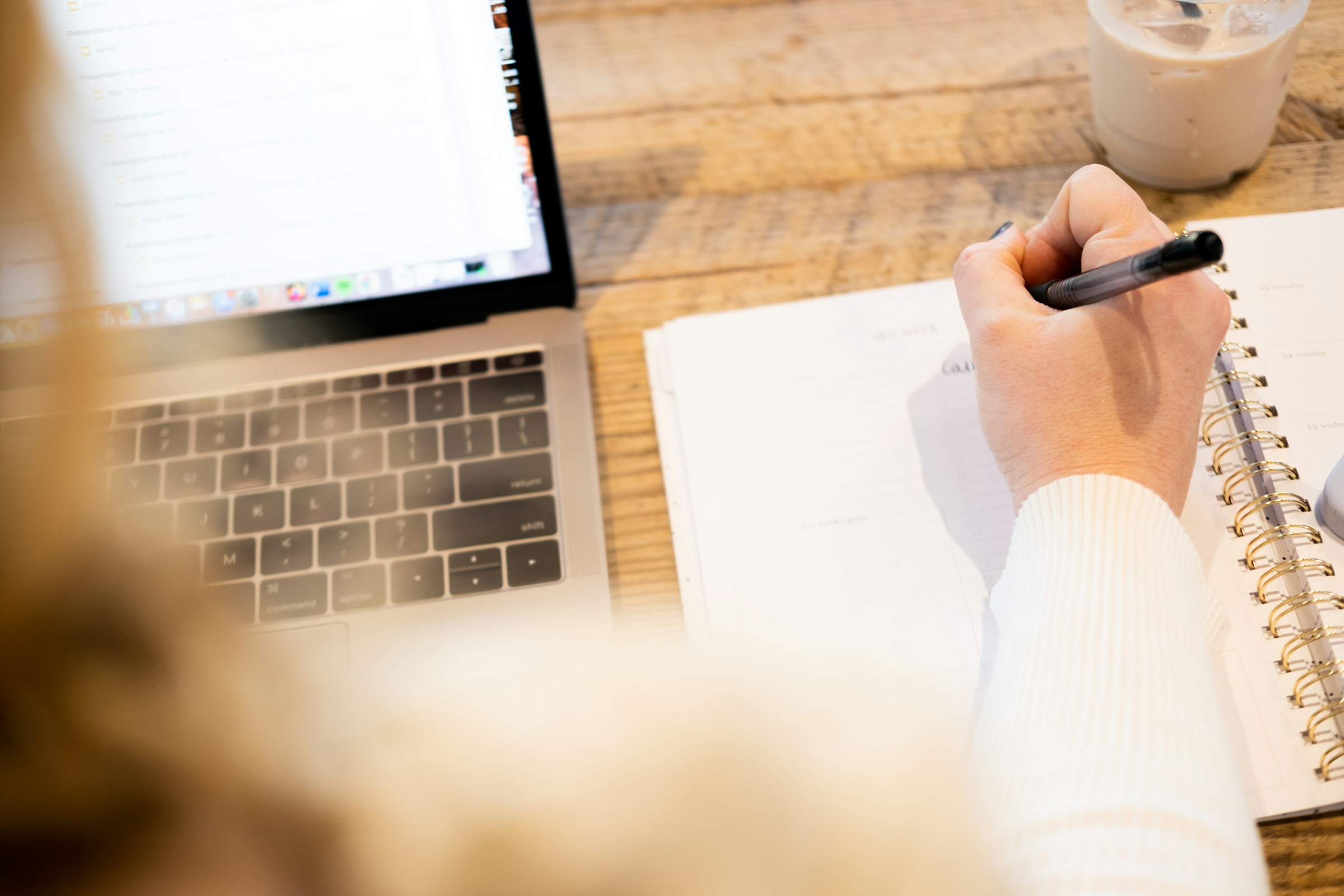
Lifestyle blogging gives you the freedom to write about the things you genuinely enjoy, from wellness and travel to food, fashion, home, and personal growth.
But finding fresh lifestyle blog post ideas can be challenging.
That’s why we’ve put together 150 lifestyle blog post ideas to help you find your next topic, whether you’re starting a blog or looking for new inspiration.
Personal Growth and Self-Improvement Blog Post Ideas
1. Daily Habits That Can Improve Your Life
Small habits can have a bigger impact than major changes because they are easier to repeat consistently.
Write about simple habits such as drinking more water, reading, exercising, planning your day, or putting your phone away before bed.
2. Simple Ways to Become More Productive
Productivity does not mean filling every minute of your day with work.
Share practical ways to prioritize important tasks, reduce distractions, plan ahead, and make better use of your time.
3. How to Build Better Habits
Explain how readers can turn a good intention into a habit they can maintain.
You could cover strategies such as starting with one small change, attaching a new habit to an existing routine, and tracking progress.
4. Morning Routines That Set You Up for Success
A good morning routine can help you start the day with more structure and less rushing.
Share realistic morning routine ideas that include simple activities such as preparing breakfast, exercising, planning the day, or enjoying a few quiet minutes.
5. Evening Routines for Better Days
The way you end your day can make the next morning easier.
Show readers how simple evening habits, such as preparing clothes, tidying up, reviewing tomorrow’s tasks, and limiting screen time, can create a calmer routine.
6. How to Stop Procrastinating
Procrastination often becomes easier to manage when a large task is broken into smaller steps.
Explain how readers can identify what they are avoiding, set short work periods, remove distractions, and focus on completing one task at a time.
7. Simple Ways to Reduce Stress
Everyday stress can build up when there is little time to slow down.
Offer practical ideas such as taking short walks, organizing responsibilities, getting enough rest, spending time away from screens, and making space for activities that help you relax.
8. How to Become More Confident
Confidence can grow through experience, preparation, and taking small steps outside your comfort zone.
Share practical suggestions such as learning new skills, keeping promises to yourself, speaking up more often, and recognizing progress instead of focusing only on mistakes.
9. Ways to Stay Motivated When You Feel Stuck
Motivation can disappear when a goal feels too difficult or progress seems slow.
Help readers regain momentum by suggesting smaller goals, changing their routine, remembering why they started, and focusing on the next achievable step.
10. How to Set Goals You Can Actually Achieve
Good goals should give you direction without feeling impossible to reach.
Explain how readers can make goals more realistic by defining exactly what they want, setting deadlines, breaking goals into smaller actions, and checking their progress regularly.
11. Simple Ways to Improve Your Mental Well-Being
Mental well-being can benefit from simple daily choices rather than complicated routines.
Discuss practical habits such as maintaining social connections, getting enough rest, spending time outdoors, taking breaks, and making time for activities that genuinely matter to the reader.
12. How to Create a Personal Growth Plan
A personal growth plan gives readers a clearer idea of what they want to improve and how they intend to do it.
Show them how to choose a few meaningful areas, set specific goals, identify useful habits, and review their progress over time.
13. Lessons I Learned From My Biggest Mistakes
Personal stories can make lifestyle content feel more relatable and genuine.
Share mistakes that taught you something useful, explain what you would do differently, and focus on lessons readers can apply to their own lives.
14. How to Become More Disciplined
Discipline is less about feeling motivated every day and more about following through when motivation is low.
Explain how routines, clear priorities, realistic expectations, and consistent small actions can make it easier to stay committed to important goals.
15. Simple Ways to Make Every Day More Meaningful
A meaningful life does not require constant excitement or major achievements.
Encourage readers to appreciate small moments, spend time with people they care about, work toward personal goals, enjoy their hobbies, and be more intentional with how they spend their time.
Home and Organization Blog Post Ideas
16. Easy Ways to Declutter Your Home
Decluttering does not have to mean spending an entire weekend emptying every room.
Share simple ways to tackle one drawer, shelf, cupboard, or room at a time so readers can make steady progress without feeling overwhelmed.
17. How to Organize a Small Bedroom
Small bedrooms can quickly feel crowded when storage space is limited.
Show readers how to make better use of vertical space, under-bed storage, bedside areas, and furniture with built-in storage.
18. Simple Home Organization Ideas
Good organization can make everyday tasks easier and help a home feel less chaotic.
Share practical home organization ideas for common problem areas such as entryways, bathrooms, closets, kitchens, and living rooms.
19. How to Create a Cleaning Routine
A cleaning routine can make household chores feel much more manageable.
Explain how readers can divide cleaning into daily, weekly, and monthly tasks instead of trying to clean the entire house at once.
20. Weekly Cleaning Checklist for a Busy Lifestyle
People with busy schedules often need a cleaning plan that is realistic rather than perfect.
Create a simple weekly cleaning checklist that focuses on the tasks that make the biggest difference while leaving room for unexpected plans.
21. Easy Ways to Make Your Home Feel Cozy
A cozy home is often created through small details rather than expensive furniture or major renovations.
Discuss ways to use soft lighting, comfortable fabrics, warm colors, personal decorations, and thoughtful room layouts to create a more inviting space.
22. Budget-Friendly Home Decorating Ideas
Refreshing your home does not have to require a large decorating budget.
Share affordable ideas such as rearranging furniture, updating small accessories, creating DIY decorations, or giving existing pieces a new purpose.
23. How to Organize Your Kitchen
An organized kitchen makes cooking, cleaning, and finding everyday items much easier.
Explain how readers can sort their cabinets, group similar items together, organize pantry foods, and keep frequently used tools within easy reach.
24. Small Home Storage Ideas
Limited storage can be challenging, especially in apartments and smaller homes.
Recommend practical solutions such as storage baskets, wall shelves, furniture with hidden compartments, hooks, and unused spaces under beds or cabinets.
25. How to Create a Minimalist Home
Minimalism is not simply about owning as few things as possible.
Explain how readers can focus on keeping useful and meaningful items while removing things that create unnecessary clutter.
26. Simple Ways to Refresh Your Home
Sometimes a home needs a small change rather than a complete makeover.
Suggest easy updates such as moving furniture, changing cushions, adding plants, rearranging artwork, or improving lighting.
27. Home Organization Mistakes to Avoid
Even well-intentioned organization systems can make a home harder to manage.
Discuss mistakes such as creating complicated storage systems, keeping too many unused items, ignoring frequently used areas, or buying storage products before decluttering.
28. How to Keep Your Home Tidy With a Busy Schedule
Keeping a home tidy is easier when cleaning becomes part of your normal routine.
Share quick habits such as putting things away immediately, doing a short evening reset, cleaning as you cook, and giving each item a designated place.
29. Easy DIY Home Decor Ideas
DIY projects can give a home personality without requiring expensive materials or advanced skills.
Include beginner-friendly projects such as simple wall art, decorated storage containers, photo displays, handmade organizers, or small furniture updates.
30. How to Create a Relaxing Bedroom
Your bedroom should feel comfortable enough to help you switch off at the end of the day.
Cover practical ideas such as reducing clutter, choosing comfortable bedding, improving lighting, limiting distractions, and creating a consistent bedtime environment.
Health and Wellness Blog Post Ideas
31. Simple Healthy Habits to Start Today
Healthy habits do not need to involve major lifestyle changes.
Share small actions readers can start immediately, such as eating more balanced meals, moving regularly, getting enough rest, or setting aside time to relax.
32. Easy Ways to Drink More Water
Staying hydrated can be difficult when you are busy and simply forget to drink water.
Offer practical ideas such as carrying a reusable bottle, keeping water nearby, setting reminders, or drinking a glass with regular meals.
33. How to Create a Healthy Morning Routine
A healthy morning routine should work with your schedule rather than make your mornings more stressful.
Show readers how to combine simple habits such as drinking water, eating breakfast, stretching, getting outside, and planning the day.
34. Simple Ways to Get More Movement Into Your Day
Exercise does not always have to mean spending an hour at the gym.
Suggest easy ways to add movement throughout the day, such as walking during breaks, taking the stairs, stretching between tasks, or going for an evening walk.
35. Healthy Habits for a Busy Lifestyle
Busy schedules can make healthy choices feel difficult to maintain.
Share realistic strategies for preparing simple meals, staying active, getting enough rest, and making healthier choices without requiring a complete change in routine.
36. Easy Self-Care Ideas for Beginners
Self-care can be as simple as giving yourself time to rest and recharge.
Introduce accessible ideas such as taking a relaxing bath, reading, going for a walk, enjoying a hobby, or spending some quiet time away from screens.
37. How to Create a Relaxing Night Routine
A consistent evening routine can help you transition from a busy day to a calmer night.
Suggest habits such as dimming the lights, putting away electronic devices, preparing for the next day, reading, and doing something relaxing before bed.
38. Simple Ways to Take Better Care of Yourself
Taking care of yourself often starts with noticing what you need instead of constantly pushing through exhaustion.
Cover basic habits such as eating regular meals, getting enough rest, staying connected with others, making time for enjoyable activities, and taking appropriate breaks.
39. Wellness Habits Worth Trying
Not every wellness trend is worth adding to your routine.
Create a useful list of simple habits that are practical and easy to test, such as regular walks, mindful breaks, consistent sleep times, meal planning, and spending time outdoors.
40. How to Make Time for Self-Care
Self-care can easily get pushed aside when work, family, and other responsibilities take priority.
Show readers how to schedule small pockets of personal time instead of waiting for an entire free afternoon to appear.
41. Simple Ways to Improve Your Sleep Routine
Better sleep often starts with creating consistent habits around bedtime.
Discuss practical steps such as maintaining a regular sleep schedule, creating a comfortable bedroom, reducing late-night distractions, and giving yourself enough time to wind down.
42. Healthy Lifestyle Changes You Can Actually Maintain
The best lifestyle changes are usually the ones you can continue long after the initial motivation disappears.
Encourage readers to make gradual changes, focus on consistency rather than perfection, and choose habits that fit their existing lifestyle.
43. How to Create a Balanced Daily Routine
A balanced routine should leave room for responsibilities, rest, movement, relationships, and activities you enjoy.
Help readers plan their day around their most important priorities while avoiding a schedule so packed that there is no room to breathe.
44. Easy Ways to Spend More Time Outdoors
Spending time outside can be a simple way to break up a day spent indoors.
Suggest activities such as walking around the neighborhood, eating lunch outside, visiting a park, gardening, or taking weekend trips into nature.
45. Simple Wellness Goals to Set This Month
Monthly wellness goals give readers a manageable time frame for building new habits.
Encourage goals that are specific and realistic, such as walking regularly, improving a bedtime routine, drinking more water, preparing meals at home, or setting aside time for relaxation.
Food and Cooking Blog Post Ideas
46. Easy Weeknight Dinner Ideas
Weeknight meals need to be simple enough to prepare when you are tired or short on time.
Share a collection of reliable dinner ideas that use easy-to-find ingredients and do not require complicated cooking techniques.
47. Simple Breakfast Ideas for Busy Mornings
Breakfast can be difficult to fit into a rushed morning.
Give readers quick breakfast ideas that can be prepared ahead of time or made in just a few minutes before starting the day.
48. Healthy Snacks to Make at Home
Homemade snacks can be a practical alternative to constantly reaching for packaged foods.
Include simple ideas such as fruit combinations, yogurt bowls, homemade energy bites, roasted ingredients, or easy dips.
49. Easy Recipes for Beginners
New cooks often need recipes that explain each step clearly without assuming they already know how to cook.
Choose simple dishes with basic ingredients and include useful tips about preparation, cooking times, and common mistakes.
50. Budget-Friendly Meal Ideas
Eating well does not always require expensive ingredients.
Show readers how to make affordable meals using staples such as rice, pasta, beans, vegetables, eggs, and seasonal ingredients.
51. Simple Meal Prep Ideas
Meal prep can save time during busy weeks when planned properly.
Share recipes and preparation methods that allow readers to prepare several meals or ingredients in advance without spending an entire day in the kitchen.
52. Easy Lunch Ideas for Work
Bringing lunch from home can make busy workdays easier and help reduce the temptation to buy food every day.
Include portable meals that are easy to prepare, store, transport, and eat at work.
53. Quick Meals You Can Make in 30 Minutes
Sometimes the biggest barrier to cooking is simply not having enough time.
Create a collection of meals that can realistically be prepared and served within about 30 minutes.
54. Easy Comfort Food Recipes
Comfort food posts give you an opportunity to combine familiar flavors with simple cooking methods.
Share dishes such as creamy pasta, homemade soups, baked meals, sandwiches, or other comforting favorites.
55. Simple Homemade Drinks to Try
Homemade drinks can turn ordinary ingredients into something readers look forward to making.
Cover options such as iced coffee, smoothies, flavored water, homemade lemonade, tea drinks, or seasonal beverages.
56. Easy Desserts for Beginners
Desserts do not need to involve complicated techniques to be enjoyable.
Focus on beginner-friendly recipes with straightforward ingredients, clear instructions, and minimal equipment.
57. How to Build a Weekly Meal Plan
Meal planning can make grocery shopping and cooking much more organized.
Explain how readers can choose recipes, check what they already have, create a shopping list, and plan meals around their schedule.
58. Kitchen Essentials Everyone Should Own
A well-equipped kitchen does not need to be filled with gadgets.
Create a practical guide to useful basics such as a good knife, cutting board, measuring tools, cookware, storage containers, and other frequently used items.
59. Cooking Mistakes Beginners Should Avoid
Small mistakes can make cooking more difficult than it needs to be.
Explain common problems such as overcrowding a pan, skipping preparation, using the wrong heat, forgetting to taste food, or failing to read a recipe before starting.
60. Easy Recipes for Hosting Friends
Hosting friends does not mean spending the entire event in the kitchen.
Share recipes that can be prepared ahead of time and served easily, such as simple appetizers, sharing dishes, desserts, and drinks.
Fashion and Beauty Blog Post Ideas
61. Everyday Outfit Ideas for Beginners
Putting together an outfit can feel difficult when you are unsure what works well together.
Share simple outfit combinations for different occasions, seasons, and personal styles using pieces readers are likely to already own.
62. How to Build a Capsule Wardrobe
A capsule wardrobe focuses on having a smaller collection of versatile clothing that can be mixed and matched.
Explain how readers can choose reliable basics, add a few personal touches, and avoid buying items they are unlikely to wear regularly.
63. Wardrobe Essentials Everyone Needs
Most wardrobes benefit from having a few dependable pieces that work across different outfits.
Create a practical list of essentials such as comfortable jeans, simple tops, versatile shoes, outerwear, and clothing suitable for more formal occasions.
64. Simple Ways to Improve Your Personal Style
Developing personal style is more about understanding what you enjoy wearing than following every fashion trend.
Show readers how to experiment with colors, fits, accessories, and outfit combinations until they discover what feels natural to them.
65. How to Dress Well on a Budget
Looking stylish does not require buying expensive clothes.
Share tips for choosing versatile pieces, shopping thoughtfully, caring for clothing, and building outfits around affordable basics.
66. Easy Outfit Ideas for Work
Work outfits need to balance comfort, practicality, and the expectations of the workplace.
Offer outfit combinations that can be adjusted for different dress codes, seasons, and types of work.
67. Casual Outfit Ideas for the Weekend
Weekend outfits can be comfortable without looking thrown together.
Share easy combinations for activities such as running errands, meeting friends, going for coffee, or enjoying a relaxed day out.
68. How to Organize Your Wardrobe
An organized wardrobe makes it easier to see what you own and choose outfits without creating a mess.
Explain how readers can sort clothing by type, season, or frequency of use while removing items they no longer wear.
69. Fashion Mistakes to Avoid
Some common fashion mistakes can make getting dressed more difficult than it needs to be.
Discuss issues such as buying clothes that do not fit properly, following trends that do not suit your style, or owning too many pieces that cannot be combined easily.
70. How to Find Your Personal Style
Finding your personal style can take time, especially if you are influenced by many different trends.
Encourage readers to notice the outfits they naturally gravitate toward and identify the colors, shapes, fabrics, and styles they feel most comfortable wearing.
71. Simple Beauty Habits Worth Developing
Good beauty habits often come down to consistency rather than having a large collection of products.
Share simple habits such as caring for your skin, keeping makeup tools clean, protecting your skin from the sun, and removing makeup before bed.
72. Easy Skincare Routine for Beginners
A beginner-friendly skincare routine should be simple enough to follow consistently.
Explain the purpose of basic steps such as cleansing, moisturizing, and using sunscreen, while reminding readers that specific skin concerns may require professional advice.
73. How to Build a Simple Makeup Collection
You do not need dozens of products to create everyday makeup looks.
Show readers how to choose a few versatile basics based on their preferences, such as foundation or concealer, blush, mascara, lip color, and an easy-to-use eye product.
74. Beauty Essentials for a Minimalist Lifestyle
Minimalist beauty is about keeping products that you actually use rather than collecting products for the sake of having them.
Share ways to choose multipurpose products, reduce duplicates, organize essentials, and avoid unnecessary purchases.
75. How to Look Put Together With Minimal Effort
Looking polished does not always require spending a lot of time getting ready.
Share quick tips such as wearing well-fitting clothes, keeping a few reliable outfits ready, maintaining simple grooming habits, and choosing a small number of accessories that complete an outfit.
Travel Blog Post Ideas
76. Best Weekend Getaway Ideas
A weekend trip can be a great way to explore somewhere new without taking a long vacation.
Share destinations and trip ideas that work well for a short break, including what to see, where to stay, what to eat, and how to make the most of limited time.
77. How to Plan a Budget-Friendly Trip
Travel does not have to mean spending a fortune.
Explain how readers can compare transportation and accommodation, travel during less expensive periods, plan their activities carefully, and set a realistic daily budget.
78. Travel Essentials You Should Never Forget
Forgetting one important item can make a trip much more stressful.
Create a practical list of travel essentials such as identification, chargers, medication, toiletries, comfortable clothing, travel documents, and useful emergency items.
79. How to Pack for a Weekend Trip
Packing for a short trip becomes easier when you focus on versatile items rather than taking your entire wardrobe.
Show readers how to plan outfits, choose multipurpose clothing, limit toiletries, and use their available luggage space efficiently.
80. Best Destinations for First-Time Travelers
First-time travelers often prefer destinations that are easy to navigate and offer plenty to see and do.
Compare suitable destinations based on factors such as transportation, accommodation options, attractions, food, cost, and overall convenience.
81. How to Travel More Without Spending More
Traveling more often can be possible by making smarter choices rather than simply increasing your budget.
Share ideas such as taking shorter trips, using travel rewards responsibly, choosing nearby destinations, and planning around affordable travel periods.
82. Tips for Planning a Solo Trip
Solo travel can feel intimidating when you have never planned a trip on your own.
Cover practical considerations such as choosing accommodation carefully, planning transportation, sharing your itinerary with someone you trust, and leaving room for flexibility.
83. How to Create the Perfect Travel Itinerary
A useful itinerary gives your trip structure without turning every minute into an obligation.
Explain how to group nearby attractions, allow enough travel time, schedule breaks, and leave some free time for unexpected discoveries.
84. Travel Mistakes Beginners Should Avoid
First-time travelers can easily make avoidable mistakes when they are unfamiliar with the planning process.
Discuss issues such as overpacking, creating unrealistic schedules, ignoring travel requirements, failing to research transportation, or forgetting to check important booking details.
85. Best Things to Do on a Staycation
You do not need to leave your city to enjoy a break from your normal routine.
Share staycation ideas such as visiting local attractions, trying new restaurants, exploring nearby neighborhoods, spending time in nature, or creating a relaxing day at home.
86. How to Make Long Flights More Comfortable
Long flights can become much easier when you prepare for the experience.
Suggest practical items and habits such as comfortable clothing, entertainment, water, a travel pillow, movement during the flight, and planning how you will manage your arrival.
87. How to Save Money While Traveling
Small travel expenses can add up quickly when you are away from home.
Show readers how to compare prices, use public transportation where practical, avoid unnecessary fees, choose affordable meals, and prioritize the experiences that matter most.
88. What to Pack for a Beach Vacation
Beach vacations require a slightly different packing strategy than city trips or cold-weather holidays.
Include essentials such as swimwear, lightweight clothing, comfortable footwear, sun protection, toiletries, a reusable water bottle, and items that help keep belongings protected from sand and water.
89. How to Plan a Road Trip
A successful road trip requires more than choosing a destination and getting in the car.
Explain how to plan the route, estimate driving time, choose useful stops, prepare the vehicle, book accommodation when needed, and leave room for unexpected delays.
90. Simple Ways to Make Travel More Enjoyable
Travel can become stressful when every detail has to go exactly according to plan.
Encourage readers to leave some flexibility in their schedule, focus on experiences rather than checking everything off a list, take breaks, and enjoy the small moments that make each trip memorable.
Money and Career Blog Post Ideas
91. Simple Ways to Save Money Every Month
Saving money can feel difficult when everyday expenses keep adding up.
Share realistic ways to save, such as reviewing subscriptions, planning purchases, reducing unnecessary spending, and setting aside a small amount regularly.
92. How to Create a Personal Budget
A budget gives readers a clearer picture of where their money goes each month.
Explain how to list income and expenses, separate needs from wants, set spending limits, and regularly review the plan.
93. Easy Ways to Cut Unnecessary Expenses
Small expenses can become significant when they happen repeatedly.
Show readers how to identify spending they do not value and find practical alternatives without suggesting that they eliminate every enjoyable purchase.
94. How to Start a Side Hustle
A side hustle can be a way to explore an interest or earn additional income alongside a main job.
Explain how readers can choose an idea that matches their skills, estimate the time involved, research basic requirements, and start on a manageable scale.
95. Best Side Hustles for Beginners
Beginners often benefit from side hustles that have straightforward starting steps.
Compare ideas such as freelancing, tutoring, selling digital products, content creation, pet sitting, or offering services based on existing skills.
96. How to Make Extra Money From Home
Working from home can create opportunities to earn money without commuting.
Share realistic options such as remote freelance work, online tutoring, virtual assistance, selling products, or providing specialized services.
97. Simple Money Habits That Can Improve Your Finances
Good financial habits can make managing money feel less stressful over time.
Discuss habits such as checking accounts regularly, paying bills on time, tracking spending, building savings, and thinking carefully before making large purchases.
98. How to Set Financial Goals
Financial goals are easier to work toward when they are specific and realistic.
Show readers how to decide what they want to achieve, estimate the amount required, choose a time frame, and break the goal into smaller steps.
99. How to Save for a Big Purchase
Large purchases can be easier to manage when they are planned instead of made impulsively.
Explain how readers can set a target amount, create a savings timeline, reduce unnecessary spending, and keep the money separate from everyday spending where practical.
100. Common Budgeting Mistakes to Avoid
A budget can fail when it is too restrictive or does not reflect real spending habits.
Cover common mistakes such as forgetting irregular expenses, setting unrealistic limits, ignoring small purchases, or failing to adjust the budget when circumstances change.
101. How to Create a Better Work-Life Balance
A healthy work-life balance requires clear boundaries between professional responsibilities and personal time.
Share practical strategies such as setting working hours, taking proper breaks, protecting personal time, and avoiding unnecessary work outside scheduled hours when possible.
102. Productivity Tips for Working From Home
Working from home can offer flexibility, but distractions can make it difficult to stay focused.
Suggest creating a dedicated workspace, setting clear working hours, planning important tasks, taking regular breaks, and limiting non-work distractions.
103. How to Stay Motivated at Work
Motivation can naturally change depending on workload, environment, and personal circumstances.
Help readers identify meaningful goals, break large projects into smaller tasks, celebrate progress, and look for ways to make repetitive work more manageable.
104. Simple Ways to Improve Your Career
Career growth does not always require changing jobs or pursuing a major qualification.
Discuss practical steps such as improving useful skills, asking for feedback, taking on meaningful projects, building professional connections, and keeping track of accomplishments.
105. How to Avoid Burnout at Work
Burnout can develop when ongoing work demands leave too little time for rest and recovery.
Explain the importance of realistic workloads, regular breaks, clear boundaries, adequate rest, and speaking with a manager or qualified professional when work-related stress becomes difficult to manage.
Relationships and Social Life Blog Post Ideas
106. How to Make New Friends as an Adult
Making friends can become more difficult when school or other natural social settings are no longer part of daily life.
Share practical ways to meet people through hobbies, classes, community activities, volunteering, work, or local events.
107. Simple Ways to Strengthen Your Relationships
Strong relationships are usually built through consistent small actions rather than occasional grand gestures.
Discuss habits such as listening carefully, checking in regularly, showing appreciation, and making time for meaningful conversations.
108. How to Spend More Quality Time With Loved Ones
Being in the same room does not always mean you are spending meaningful time together.
Suggest activities that encourage genuine connection, such as cooking together, taking walks, playing games, sharing meals, or putting phones away during conversations.
109. Fun Things to Do With Friends
Friends do not need an expensive night out to have a good time together.
Create a list of activities such as movie nights, game nights, hikes, coffee dates, cooking sessions, picnics, or exploring somewhere new.
110. Date Night Ideas for Couples
Date nights can help couples step away from their usual routines and focus on each other.
Share ideas for different budgets and interests, including cooking together, visiting a local attraction, having a picnic, trying a new restaurant, or planning a themed night at home.
111. Affordable Date Ideas
A memorable date does not have to involve an expensive restaurant or elaborate activity.
Suggest low-cost options such as going for a walk, visiting a free attraction, making dinner together, having a picnic, or watching a favorite movie at home.
112. How to Maintain Friendships When You’re Busy
Busy schedules can make friendships harder to maintain, even when you genuinely care about the people involved.
Explain how regular messages, short calls, planned meetups, and being honest about your availability can help keep friendships strong.
113. Simple Ways to Show Someone You Care
People often appreciate small thoughtful actions more than expensive gifts.
Share ideas such as checking in on someone, remembering important dates, helping with a task, sending an encouraging message, or simply giving them your full attention.
114. How to Set Healthy Boundaries
Healthy boundaries help people communicate what they are comfortable with while respecting the needs of others.
Explain how readers can clearly communicate their limits, say no when necessary, and avoid feeling responsible for managing everyone else’s expectations.
115. Ways to Make New Social Connections
Building a wider social circle often starts with putting yourself in places where you can meet people with similar interests.
Suggest joining clubs, attending local events, taking classes, volunteering, participating in group activities, or becoming more involved in existing communities.
116. How to Have Better Conversations
Good conversations involve more than simply waiting for your turn to speak.
Share practical communication tips such as asking open-ended questions, listening without constantly interrupting, showing genuine interest, and following up on things people tell you.
117. Fun Ideas for Hosting Friends at Home
Hosting friends does not have to involve complicated meals or expensive decorations.
Suggest simple gatherings such as a movie night, game night, casual dinner, coffee afternoon, themed food night, or backyard gathering.
118. How to Spend More Time With Family
Family time can disappear when everyone’s schedules become busy.
Offer simple ways to create regular opportunities to connect, such as shared meals, weekend outings, family game nights, walks, or scheduled calls with relatives who live farther away.
119. Simple Ways to Celebrate Special Occasions
Special occasions become more personal when the celebration reflects the person rather than simply following a standard tradition.
Share ideas for meaningful meals, homemade gifts, memory books, small gatherings, surprise activities, or experiences based on someone’s interests.
120. How to Create Meaningful Memories With Loved Ones
Meaningful memories often come from ordinary experiences shared with people you care about.
Encourage readers to take photos, try new activities together, preserve traditions, plan small adventures, and make time for experiences they will remember long after the day is over.
Hobbies and Entertainment Blog Post Ideas
121. Hobbies to Try When You’re Bored
Boredom can be a good reason to try something you have never done before.
Share a mix of hobbies that suit different interests, such as photography, gardening, drawing, baking, reading, gaming, or learning an instrument.
122. Creative Hobbies for Adults
Creative hobbies can provide a break from repetitive daily routines while giving readers a chance to make something of their own.
Cover accessible activities such as painting, writing, knitting, photography, pottery, crafting, or digital design.
123. Easy Hobbies You Can Do at Home
Not every hobby requires special equipment, expensive classes, or a large amount of space.
Recommend activities readers can start at home with minimal preparation, such as reading, journaling, cooking, drawing, puzzles, or learning a new skill online.
124. Best Hobbies for Relaxation
Some hobbies are particularly useful when readers want to slow down after a busy day.
Share calming options such as reading, gardening, coloring, knitting, baking, puzzles, photography walks, or listening to music.
125. Hobbies That Can Help You Learn New Skills
A hobby can be enjoyable while also helping you develop a useful skill.
Highlight activities such as cooking, photography, coding, writing, gardening, language learning, woodworking, or playing a musical instrument.
126. How to Find a Hobby You Actually Enjoy
Choosing a hobby can feel surprisingly difficult when there are so many options available.
Encourage readers to think about what they enjoyed as children, what topics they naturally explore, and whether they prefer creative, social, active, relaxing, or skill-based activities.
127. Best Books to Read This Month
Book recommendations are an easy way to turn personal interests into useful lifestyle content.
Create monthly reading lists around specific genres, themes, seasons, or reader interests and briefly explain why each book is worth considering.
128. Movies Everyone Should Watch
Movie recommendation posts can help readers decide what to watch when they have too many choices.
Create themed lists such as classic movies, feel-good films, family favorites, comedies, thrillers, or movies that are easy to watch on a relaxed evening.
129. TV Shows Worth Binge-Watching
A well-organized TV recommendation list can save readers time when they are searching for their next show.
Group recommendations by genre, mood, or episode length and explain what makes each series appealing without giving away major plot details.
130. Fun Things to Do on a Rainy Day
Rainy weather can quickly turn into a boring day when outdoor plans are cancelled.
Share indoor activities such as baking, board games, reading, crafts, movie marathons, home workouts, or organizing a creative project.
131. Screen-Free Activities to Try
Spending less time on screens can create space for activities that are easy to overlook.
Suggest options such as journaling, reading a physical book, cooking, drawing, gardening, puzzles, playing an instrument, or spending time outdoors.
132. Weekend Activities to Try at Home
A weekend at home does not have to mean spending two days doing nothing.
Give readers ideas for relaxed and productive activities, such as trying a new recipe, rearranging a room, starting a hobby, watching a movie series, or hosting friends.
133. Creative Projects for Beginners
Beginner-friendly projects can help readers enjoy the satisfaction of making something without needing advanced skills.
Share simple ideas such as handmade decorations, photo projects, painting, crafts, recipe experiments, or personalized gifts.
134. Fun Ways to Spend Your Free Time
Free time is more enjoyable when you have options beyond scrolling through social media.
Create a varied list of activities that readers can choose from based on their mood, budget, location, and available time.
135. How to Make Time for Your Hobbies
Hobbies often get pushed aside when work and everyday responsibilities become demanding.
Show readers how to schedule small blocks of hobby time, protect those periods from unnecessary distractions, and choose activities that fit naturally into their existing routine.
Lifestyle Blog Post Ideas for Everyday Life
136. Simple Ways to Make Life Easier
Small changes can remove unnecessary effort from your daily routine.
Share practical ideas such as preparing things the night before, keeping frequently used items accessible, automating repetitive tasks, and creating simple routines.
137. Things I Wish I Knew Earlier in Life
Personal lessons can make powerful lifestyle content when they are honest and useful.
Share experiences that changed the way you think about money, relationships, work, time, personal growth, or everyday decisions.
138. Life Lessons Everyone Should Learn
Readers often connect with advice that comes from real experience rather than abstract ideas.
Cover lessons about setting boundaries, learning from mistakes, choosing relationships carefully, managing time, and understanding that progress rarely happens overnight.
139. How to Create a Life You Actually Enjoy
A fulfilling lifestyle looks different for everyone, so this topic works well as a personal and practical guide.
Encourage readers to consider how they spend their time, what activities energize them, which relationships matter most, and what changes could make their everyday life more enjoyable.
140. Simple Ways to Slow Down and Enjoy Life
A busy schedule can make it easy to move from one task to another without noticing the day.
Suggest simple ways to slow down, such as taking walks without distractions, eating meals more mindfully, enjoying hobbies, spending time outside, or leaving more space between activities.
141. How to Spend Less Time on Your Phone
Phones can quietly consume large parts of the day without us realizing it.
Share practical strategies such as turning off unnecessary notifications, setting screen limits, keeping the phone away during meals, and creating phone-free periods.
142. Ways to Make Ordinary Days Feel Special
You do not need a holiday or major event to make a day memorable.
Suggest small touches such as making a favorite meal, visiting somewhere new, playing music, dressing up, enjoying a favorite drink, or planning something to look forward to.
143. Simple Habits That Save Time
Time-saving habits can make busy days feel more manageable.
Share ideas such as preparing meals in advance, grouping similar tasks together, keeping a regular shopping list, organizing frequently used items, and planning tomorrow before going to bed.
144. How to Create a More Intentional Lifestyle
An intentional lifestyle means making more conscious choices about how you spend your time, energy, and money.
Help readers identify their priorities, remove activities that add little value, and create routines that support the things they genuinely care about.
145. Things to Do When You Feel Bored With Your Routine
Doing the same things every day can make life feel repetitive even when nothing is actually wrong.
Give readers ideas for changing their routine, such as trying a new hobby, exploring a different place, learning something new, meeting a friend, or planning a small personal project.
146. How to Simplify Your Life
Simplifying your life can mean removing unnecessary commitments, possessions, expenses, or distractions.
Explain how readers can start small by simplifying one area at a time rather than trying to completely change their lifestyle overnight.
147. Simple Ways to Become More Organized
Organization can make everyday responsibilities easier to manage.
Share practical methods such as using calendars and to-do lists, giving important items a permanent home, planning ahead, and keeping frequently used spaces tidy.
148. How to Create a Lifestyle That Fits Your Goals
Your daily routine should support the goals you are trying to achieve rather than constantly work against them.
Show readers how to connect their habits, schedule, spending, relationships, and free time with the things they want to accomplish.
149. Small Changes That Can Make a Big Difference
Major lifestyle changes can feel overwhelming, while small adjustments are often easier to maintain.
Share simple changes such as going to bed earlier, walking more, preparing meals at home, reading regularly, reducing unnecessary spending, or setting aside time for important relationships.
150. Lifestyle Changes Worth Making This Year
A new year can be a useful opportunity to reconsider routines that no longer serve you.
Focus on realistic lifestyle changes that readers can maintain, such as becoming more organized, improving daily habits, spending more time with loved ones, learning new skills, or creating healthier boundaries around work and personal time.
How to Choose the Best Lifestyle Blog Post Ideas
Choose Topics That Match Your Interests and Experience
Start with subjects you genuinely enjoy because writing about familiar topics is usually easier and more natural.
Your personal experience can also give you useful insights that readers will not find in generic articles.
Focus on Questions and Problems Your Audience Has
Think about what your readers are searching for, asking you about, or struggling to figure out.
A post that solves a specific problem, such as how to organize a small bedroom or plan a budget-friendly trip, can be more useful than a broad topic with little practical direction.
Combine Broad Topics With Specific Subjects
Broad lifestyle topics can attract interest, but specific topics often give you a clearer angle for your post.
For example, instead of writing about travel in general, you could create a post about budget-friendly weekend trips for beginners.
Use Personal Experiences to Make Posts More Original
Your experiences can give common lifestyle topics a personal perspective.
Share what you tried, what worked, what did not work, and what you would do differently next time.
Look for Natural Monetization Opportunities
Some lifestyle topics can naturally connect to products, services, or affiliate recommendations.
For example, a post about organizing a small kitchen could mention useful storage products, while a travel packing guide could include practical travel gear.
The key is to recommend something because it genuinely helps the reader, not simply because it provides an opportunity to earn a commission.
Tips for Turning Lifestyle Ideas Into Great Blog Posts
- Create useful, specific headlines: Make your headline clear and show readers exactly what they will learn or gain from the post.
- Add personal examples and practical advice: Share your own experiences and actionable tips to make the content more relatable and useful.
- Use clear subheadings and short paragraphs: Break your content into easy-to-scan sections so readers can quickly find the information they need.
- Include relevant photos, examples, or step-by-step instructions: Visuals and practical examples can make lifestyle content easier to understand and apply.
- Update successful posts as your experience and audience grow: Refresh older content with new information, examples, and insights to keep it useful and relevant.
Final Thoughts
With so many lifestyle blog post ideas to choose from, you never have to run out of topics.
Pick ideas that match your interests and give your audience something genuinely useful.
You do not need to publish all 150 ideas at once; focus on creating helpful, consistent content that readers will want to come back to.
FAQs
What should I blog about as a lifestyle blogger?
Write about topics that match your interests, experience, and knowledge while solving problems your target audience cares about.
How do I come up with lifestyle blog ideas?
Look at your daily experiences, audience questions, popular searches, social media conversations, and subjects you genuinely enjoy.
What are the best lifestyle blog topics?
Popular topics include personal growth, home, wellness, food, fashion, travel, money, relationships, hobbies, and everyday life.
Can a lifestyle blog cover multiple topics?
Yes, as long as the topics are relevant to your audience and fit together under a clear lifestyle theme.
How often should I publish lifestyle blog posts?
There is no perfect number, so choose a schedule you can maintain while consistently publishing useful, quality content.





Hi, I’m Daniel Cacheton. I specialize in WordPress performance optimization and have spent 7+ years improving site speed, Core Web Vitals, and overall user experience. I share practical, no-fluff guides based on real testing to help you build faster WordPress websites.